From Lab to Market: Barcelona’s Greatest Challenge
This article was written by Lluís Juncà
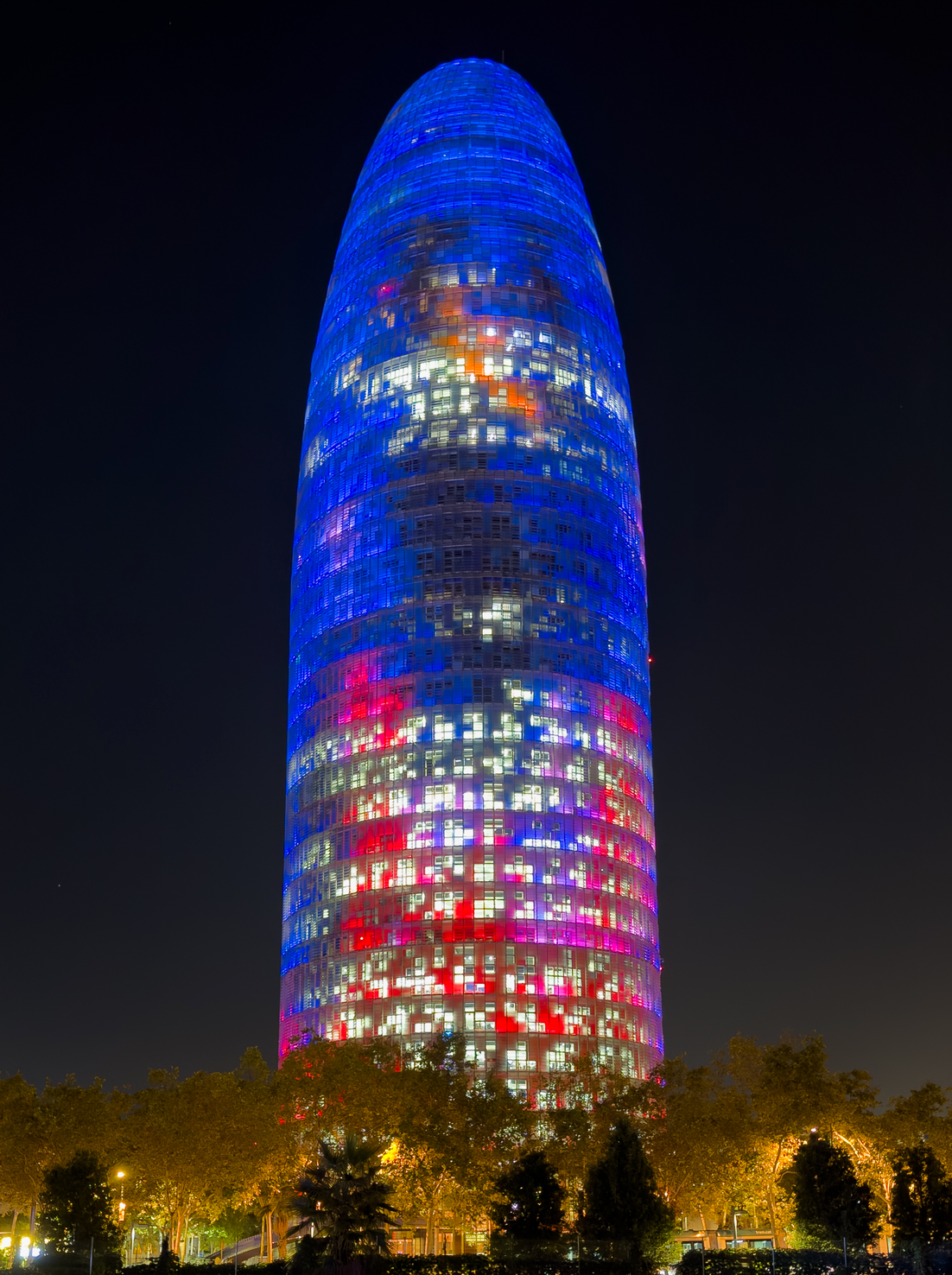
Barcelona frequently ranks among Europe’s most innovative cities. We have competitive universities, world-renowned research centers, over 2,400 startups, major tech conferences, and an outstanding ability to attract talent. On paper, we have almost everything.
Yet, Barcelona’s main challenge is not generating more knowledge. It is turning much more of the knowledge we already produce into real economic value: revenue, jobs, businesses, and more.
Research generates knowledge. Innovation turns that knowledge into reality.
This forces us to clarify a long-standing confusion: research and innovation are not the same. Research generates knowledge. Innovation turns that knowledge into reality. If a study ends up published in a scientific journal but never reaches a company, a hospital, a factory, or a customer, it was great research. But it was not yet innovation. Innovation only exists when someone adopts that knowledge because it solves a problem better than existing alternatives.
Barcelona excels at creating knowledge.
Barcelona excels at creating knowledge. We have world-leading research centers in their fields, such as the Institute of Photonic Sciences (ICFO), the Institute for Research in Biomedicine (IRB), the Institute for Bioengineering of Catalonia (IBEC), and many others—all global benchmarks in their respective areas. The problem is that, too often, this knowledge does not translate into businesses, jobs, and wealth—or it does so elsewhere in the world.
Researchers publish papers. Companies seek technological solutions.
Our main deficit is not scientific. It is a lack of connection, a missing link between the world of research and the business world. In Catalonia, and particularly in Barcelona, these two worlds still often operate as parallel ecosystems. Researchers publish papers. Companies seek technological solutions. But there are too few people, too few incentives, and too few institutions systematically connecting them.
Universities’ knowledge transfer mechanisms are clearly insufficient.
Researchers are still primarily evaluated by the number of publications and citations. Universities’ knowledge transfer mechanisms are clearly insufficient. And many companies have not yet adopted the culture of actively seeking out technologies in labs that could define their products in five or ten years.
The world’s great innovation ecosystems work differently. In Boston, Cambridge, or Stanford, the boundary between university and business is extraordinarily permeable. Researchers found companies. Entrepreneurs enter labs. Investors learn about research before it hits the market. And universities consider both a Nature publication and a spin-off capable of creating jobs and competing globally as successes.
The challenge is to ensure these two major assets stop looking at each other from afar and start working as a single system.
Barcelona already has scientific talent. It also has a dynamic business ecosystem and a consolidated entrepreneurial community. The challenge is to ensure these two major assets stop looking at each other from afar and start working as a single system.
This requires reforming incentives, strengthening transfer structures, facilitating spin-off creation, attracting more specialized capital, and incorporating professional profiles dedicated exclusively to turning science into business.
Investing in research is essential. But settling for publishing papers is only half the journey. We cannot afford to stop there. Barcelona will not truly be an innovative city until the knowledge it generates systematically transforms into businesses, industry, skilled employment, and prosperity. Because a city does not innovate when it discovers. It innovates when it ensures its discoveries change people’s lives.
Lluís Juncà
Business angel and startup mentor. Former General Director of Innovation and Entrepreneurship of the Catalan Government. Invests in impact-driven projects and promotes sustainable innovation."